Comprehensive Care for Bones, Joints, Muscles, and Ligaments
Every movement you make depends on the strength and coordination of your bones, joints, muscles, ligaments, and tendons. Whether you are walking to work, climbing stairs, playing sports, lifting groceries, or simply getting out of bed, your musculoskeletal system works continuously to support your body. When any part of this system becomes injured, inflamed, or weakened, even the simplest daily activities can become painful and difficult.
Many people ignore early signs such as occasional joint pain, stiffness in the morning, muscle weakness, swelling around a joint, or discomfort while walking. These symptoms may appear small at first, but they can gradually become more serious if they are left untreated. Early diagnosis and timely medical care play an important role in preventing long-term complications and helping individuals maintain an active lifestyle.
Orthopedic care is not only about treating broken bones or performing surgeries. Modern orthopedic medicine focuses on preventing injuries, diagnosing problems at an early stage, providing personalized treatment plans, and supporting complete recovery through rehabilitation and lifestyle modifications. The goal is always to restore mobility, reduce pain, and improve quality of life.
If you are searching for the Best Orthopedic Hospital in Ameerpet, choosing a healthcare provider that offers comprehensive orthopedic services can make a significant difference in your recovery journey. At Varnaya Clinics, we believe every patient deserves personalized attention, accurate diagnosis, evidence-based treatments, and compassionate care to achieve the best possible outcomes.
This guide explains everything you need to know about orthopedic health, common musculoskeletal conditions, available treatment options, preventive strategies, and how comprehensive orthopedic care helps people of all ages stay active and healthy.
Understanding the Musculoskeletal System
The musculoskeletal system forms the structural framework of the human body. It provides support, stability, movement, and protection for internal organs. Every part of this system works together like a well-coordinated team. When one component is affected, it often influences the functioning of the others.
Bones provide the body's framework and protect vital organs such as the brain, heart, and lungs. Joints connect bones and allow movement, while muscles generate the force required for every physical activity. Ligaments connect bones to other bones, providing stability to joints, and tendons attach muscles to bones, allowing movement and flexibility.
Maintaining the health of this system requires proper nutrition, regular exercise, good posture, injury prevention, and timely medical evaluation whenever symptoms develop. Ignoring orthopedic problems can gradually reduce mobility, affect independence, and negatively impact overall health.
At Varnaya Clinics, our orthopedic specialists understand that every patient has unique needs. We focus on identifying the root cause of pain instead of simply treating symptoms, ensuring long-lasting relief and improved function.
Why Comprehensive Orthopedic Care Matters
Orthopedic problems can affect people of every age group. Children may experience developmental bone conditions, teenagers often suffer sports-related injuries, adults may develop repetitive strain disorders due to work, while older adults commonly experience arthritis and osteoporosis.
Comprehensive orthopedic care means addressing every stage of treatment instead of focusing on just one aspect. This includes accurate diagnosis, conservative treatment whenever possible, minimally invasive procedures when required, rehabilitation, pain management, and long-term follow-up care.
Choosing comprehensive orthopedic care offers several advantages:
-
Early diagnosis helps identify problems before they become severe, reducing the need for complex treatments and improving long-term outcomes while preserving joint function and overall mobility.
-
Personalized treatment plans consider your age, lifestyle, occupation, medical history, activity level, and health goals to ensure every treatment recommendation is tailored specifically to your individual needs.
-
Access to advanced diagnostic technologies enables specialists to detect injuries and diseases with greater accuracy, allowing treatment to begin quickly and effectively.
-
Rehabilitation programs help patients regain muscle strength, flexibility, balance, coordination, and confidence after injuries or surgical procedures, reducing the risk of future complications.
-
Preventive care focuses on educating patients about posture, exercise, nutrition, ergonomic practices, and injury prevention strategies that support lifelong musculoskeletal health.
For individuals looking for the Best Orthopedic Hospital in Ameerpet, receiving comprehensive orthopedic care means benefiting from a complete treatment approach rather than addressing only the immediate symptoms.
Common Orthopedic Conditions That Require Expert Care
Orthopedic disorders affect millions of people worldwide and can develop due to aging, injuries, genetic factors, repetitive movements, poor posture, obesity, nutritional deficiencies, or chronic medical conditions. Understanding these conditions helps individuals seek timely medical attention before symptoms worsen.
Osteoarthritis
Osteoarthritis is one of the most common joint disorders affecting adults, particularly older individuals. It develops when the protective cartilage covering the ends of bones gradually wears away, causing pain, stiffness, swelling, and reduced joint movement.
People commonly experience osteoarthritis in the knees, hips, hands, shoulders, and spine. Initially, symptoms may only appear after physical activity, but as the condition progresses, pain may become constant and interfere with daily life.
Early diagnosis, weight management, strengthening exercises, medications, and lifestyle modifications can significantly improve symptoms and slow disease progression. At Varnaya Clinics, we create individualized management plans that help patients maintain independence while reducing discomfort.
Rheumatoid Arthritis
Unlike osteoarthritis, rheumatoid arthritis is an autoimmune condition in which the body's immune system mistakenly attacks healthy joint tissues. This causes chronic inflammation, pain, swelling, morning stiffness, and joint damage if left untreated.
Because rheumatoid arthritis affects multiple joints simultaneously, early diagnosis is extremely important. Timely treatment helps prevent permanent joint destruction while preserving mobility and quality of life.
Patients receiving comprehensive orthopedic care benefit from coordinated management that includes medication, physical therapy, lifestyle guidance, and regular monitoring.
Sports Injuries
Sports and physical activities offer tremendous health benefits but also increase the risk of orthopedic injuries. Athletes and active individuals commonly experience ligament tears, muscle strains, tendon injuries, fractures, dislocations, and cartilage damage.
Prompt evaluation after a sports injury is essential because delaying treatment may worsen tissue damage and extend recovery time.
Our orthopedic specialists at Varnaya Clinics emphasize accurate diagnosis, individualized rehabilitation programs, gradual return-to-play strategies, and preventive exercises that reduce the likelihood of future injuries.
Fractures and Bone Injuries
Bone fractures can occur due to falls, road accidents, workplace injuries, sports trauma, or weakened bones caused by osteoporosis. Depending on the severity, fractures may require casting, splinting, surgical fixation, or rehabilitation.
Complete recovery involves much more than allowing the bone to heal. Patients often require muscle strengthening, flexibility training, balance improvement, and functional rehabilitation to safely return to everyday activities.
Seeking treatment at the Best Orthopedic Hospital in Ameerpet ensures fractures are managed using modern techniques that promote faster healing and better long-term outcomes.
Back and Neck Pain
Back pain and neck pain are among the leading causes of disability worldwide. Long hours of sitting, poor posture, heavy lifting, spinal degeneration, herniated discs, muscle strain, and sedentary lifestyles contribute to these conditions.
Many people continue living with chronic pain without realizing that early intervention can prevent long-term spinal problems. Conservative treatments such as physiotherapy, posture correction, medications, and targeted exercises often provide excellent results when started early.
At Varnaya Clinics, we evaluate every patient carefully to identify the underlying cause of spinal pain and recommend personalized treatment plans aimed at restoring comfort and mobility.
Advanced Diagnostic Methods That Support Better Orthopedic Care
One of the biggest advantages of modern orthopedic medicine is the availability of advanced diagnostic tools that help identify the exact cause of pain and mobility issues. Accurate diagnosis is the foundation of successful treatment because many orthopedic conditions produce similar symptoms. For example, knee pain may result from arthritis, ligament injuries, cartilage damage, tendon inflammation, or even referred pain from the hip or spine. Treating the wrong condition can delay recovery and increase discomfort.
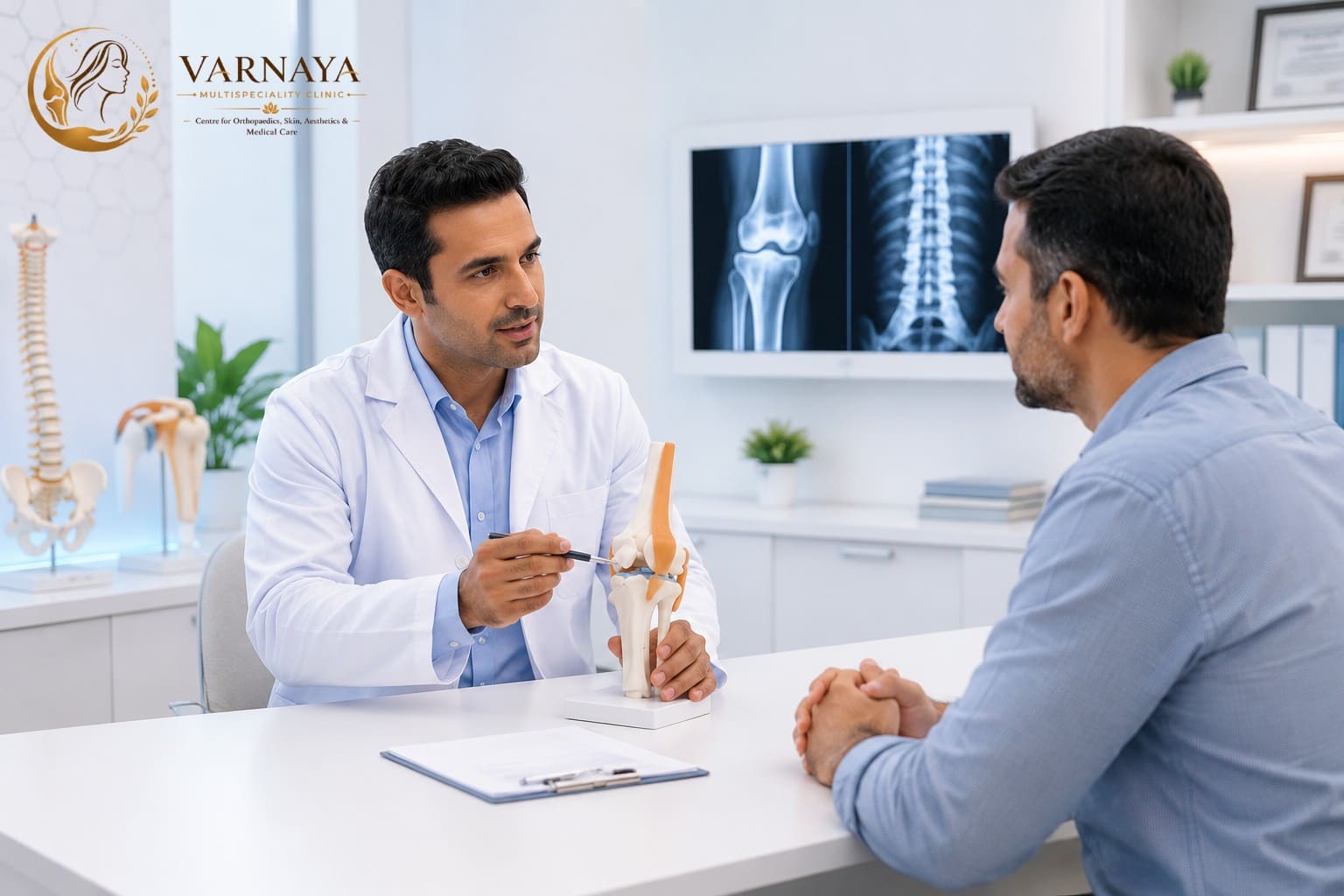
At Varnaya Clinics, every treatment journey begins with a detailed evaluation that includes understanding your medical history, lifestyle, daily activities, previous injuries, and current symptoms. A thorough physical examination helps assess joint movement, muscle strength, balance, flexibility, and areas of tenderness. Depending on the findings, additional investigations may be recommended to confirm the diagnosis and determine the most effective treatment plan.
Modern orthopedic diagnosis may include digital X-rays for evaluating fractures and joint alignment, MRI scans for identifying ligament, tendon, cartilage, and muscle injuries, CT scans for complex bone conditions, ultrasound imaging for soft tissue assessment, and laboratory tests when inflammatory or autoimmune disorders are suspected. These investigations provide detailed information that helps create personalized treatment strategies while avoiding unnecessary procedures.
Accurate diagnosis not only improves treatment success but also reduces recovery time and prevents future complications. Patients who receive timely evaluation often experience better pain relief, improved mobility, and greater confidence throughout their recovery journey.
Personalized Treatment Plans for Every Patient
No two orthopedic patients experience exactly the same condition. Even when two people have arthritis or similar fractures, their age, activity level, occupation, overall health, and lifestyle can influence the treatment approach. This is why personalized orthopedic care has become the gold standard in modern medicine.
At Varnaya Clinics, treatment plans are carefully customized according to each patient's individual needs rather than following a one-size-fits-all approach. The primary goal is always to relieve pain, restore movement, improve strength, and help patients return to their normal daily activities as safely and quickly as possible.
A personalized orthopedic treatment plan may include:
-
Lifestyle modifications that reduce unnecessary stress on joints while encouraging healthy movement, improved posture, weight management, and ergonomic adjustments at home and work to prevent recurring orthopedic problems.
-
Customized exercise programs designed to strengthen muscles surrounding affected joints, improve flexibility, increase stability, enhance balance, and reduce the likelihood of future injuries while supporting long-term musculoskeletal health.
-
Medication plans that focus on controlling pain and inflammation while minimizing side effects through careful monitoring and evidence-based prescribing practices.
-
Rehabilitation strategies that gradually restore physical function after injuries or surgical procedures, ensuring patients regain confidence in movement without placing excessive stress on healing tissues.
Personalized treatment ensures that every patient receives the most appropriate care based on their condition, health status, and recovery goals rather than simply treating symptoms.
Non-Surgical Orthopedic Treatments
One of the most common misconceptions about orthopedic care is that every patient eventually requires surgery. In reality, many orthopedic conditions can be successfully treated without surgery, especially when diagnosed early. Conservative treatment options often provide excellent pain relief while restoring function and preventing disease progression.
People experiencing joint pain, muscle injuries, tendon inflammation, early arthritis, or mild ligament injuries often benefit significantly from non-surgical orthopedic care. These treatments focus on healing damaged tissues, reducing inflammation, improving mobility, and preventing further deterioration.
Common non-surgical orthopedic treatments include:
-
Physical therapy programs that strengthen supporting muscles, improve flexibility, restore joint mobility, enhance balance, and help patients safely return to work, sports, and daily activities without increasing the risk of reinjury.
-
Pain management techniques that may include medications, therapeutic exercises, heat therapy, cold therapy, electrical stimulation, and physician-guided injections when appropriate to reduce inflammation and improve comfort.
-
Activity modification strategies that educate patients about avoiding movements that worsen symptoms while encouraging safe physical activity to maintain overall fitness and joint function.
-
Nutritional guidance aimed at supporting bone strength, muscle recovery, healthy body weight, and reduced inflammation through balanced dietary habits rich in calcium, vitamin D, protein, and essential nutrients.
Patients searching for the Best Orthopedic Hospital in Ameerpet often prefer facilities that prioritize conservative treatment whenever possible before considering surgical intervention. This patient-centered approach helps many individuals recover successfully while avoiding unnecessary operations.
When Is Orthopedic Surgery Necessary?
Although many orthopedic conditions respond well to non-surgical management, certain situations require surgical treatment to restore function and prevent long-term disability. Surgery is usually recommended only after careful evaluation and when conservative treatments have not provided adequate improvement.
Orthopedic surgery may be necessary for severe fractures, complete ligament tears, advanced arthritis causing significant joint destruction, spinal conditions affecting nerve function, recurrent joint dislocations, or complex tendon injuries. Modern surgical techniques have evolved significantly, allowing many procedures to be performed using minimally invasive methods that reduce pain, minimize scarring, and support faster recovery.
Patients are carefully educated about the expected benefits, potential risks, recovery timeline, rehabilitation requirements, and long-term outcomes before surgery is planned. This helps individuals make informed decisions while actively participating in their treatment journey.
At Varnaya Clinics, our focus is always on recommending surgery only when it offers the greatest opportunity for lasting improvement in function, comfort, and quality of life.
The Importance of Physiotherapy and Rehabilitation
Recovery does not end after the pain decreases or surgery is completed. Rehabilitation plays an equally important role in ensuring patients regain their full strength, flexibility, endurance, and independence. Without proper rehabilitation, muscles may remain weak, joints may become stiff, and the risk of future injuries may increase.
Physiotherapy is a structured treatment process designed to improve movement through scientifically developed exercises, manual therapy techniques, posture correction, strength training, and functional rehabilitation. Every rehabilitation program is customized according to the patient's diagnosis, age, physical condition, and recovery goals.
The benefits of physiotherapy extend far beyond pain relief. Patients often experience improved posture, better balance, increased muscle strength, enhanced joint flexibility, greater confidence during movement, and reduced dependence on pain medications. Rehabilitation also helps athletes safely return to sports and enables older adults to maintain independence in daily life.
A comprehensive rehabilitation program may include:
-
Progressive strengthening exercises that rebuild weakened muscles surrounding injured joints while improving stability, coordination, endurance, and overall physical performance during everyday activities.
-
Flexibility training that restores normal joint movement, reduces stiffness, improves circulation, decreases muscle tension, and supports long-term functional mobility without unnecessary strain.
-
Balance and coordination exercises that lower the risk of falls, improve walking confidence, enhance body control, and promote safe movement across different environments and activity levels.
-
Patient education sessions that teach safe lifting techniques, posture correction, workplace ergonomics, home exercise routines, and injury prevention strategies that continue supporting recovery long after formal therapy ends.
Consistent rehabilitation significantly improves treatment outcomes and helps patients enjoy a healthier, more active lifestyle.
Managing Chronic Orthopedic Pain
Living with chronic orthopedic pain affects much more than physical comfort. Persistent pain can interfere with work performance, sleep quality, emotional well-being, social interactions, and overall quality of life. Fortunately, modern orthopedic care offers numerous evidence-based strategies to manage chronic pain effectively while improving function.
Successful pain management begins by identifying the underlying cause rather than simply masking symptoms with medications. Conditions such as arthritis, spinal disorders, old injuries, tendon problems, and nerve compression often require comprehensive management involving multiple treatment approaches.
Effective chronic pain management may include physical therapy, guided exercise programs, medications, weight management, posture correction, ergonomic improvements, lifestyle modifications, stress reduction techniques, and periodic follow-up evaluations. Combining these strategies often provides better long-term results than relying on medication alone.
At Varnaya Clinics, we understand that chronic pain affects every aspect of daily living. Our orthopedic team works closely with patients to develop individualized treatment plans that focus on reducing discomfort, restoring mobility, and helping individuals regain confidence in their everyday activities.
Protecting Your Bones and Joints Through a Healthy Lifestyle
Strong bones and healthy joints are built through consistent daily habits rather than occasional efforts. While medical treatments are highly effective for managing orthopedic conditions, prevention remains one of the most powerful ways to maintain long-term musculoskeletal health. Small lifestyle changes can significantly reduce the risk of fractures, arthritis progression, muscle weakness, and ligament injuries.
A healthy lifestyle supports every component of the musculoskeletal system. Nutritious food provides the building blocks for strong bones and muscles, regular physical activity keeps joints flexible, and maintaining an ideal body weight reduces unnecessary pressure on weight-bearing joints such as the knees, hips, and spine. Even simple habits such as sitting with proper posture, lifting heavy objects correctly, and taking regular movement breaks during work can make a noticeable difference over time.
At Varnaya Clinics, we encourage patients to view orthopedic care as an ongoing commitment to their health rather than something that becomes important only after an injury occurs. Preventive care helps people remain active, independent, and confident throughout every stage of life.
Some of the most effective ways to protect your musculoskeletal system include:
-
Follow a balanced diet rich in calcium, vitamin D, magnesium, protein, and other essential nutrients because these nutrients help strengthen bones, support muscle repair, improve joint health, and reduce the risk of osteoporosis and age-related bone loss.
-
Engage in regular physical activity that combines strength training, flexibility exercises, walking, swimming, cycling, or low-impact aerobic workouts to improve muscle endurance, joint mobility, cardiovascular fitness, and overall physical well-being without placing excessive stress on the body.
-
Maintain a healthy body weight to reduce pressure on the knees, hips, ankles, and lower back, helping prevent early joint degeneration, chronic pain, reduced mobility, and complications associated with obesity.
-
Practice proper posture while sitting, standing, lifting, and sleeping because poor body mechanics over many years can contribute to spinal problems, muscle strain, neck pain, shoulder discomfort, and long-term orthopedic complications.
-
Avoid smoking and excessive alcohol consumption since both can interfere with bone healing, reduce bone density, delay tissue repair, increase fracture risk, and negatively affect overall musculoskeletal health.
Nutrition for Healthy Bones, Muscles, and Ligaments
Nutrition plays a vital role in maintaining a healthy musculoskeletal system. Bones are living tissues that constantly undergo remodeling, muscles require adequate protein for repair and growth, and ligaments need essential nutrients to remain strong and flexible. Poor dietary habits may gradually weaken these structures, making injuries and chronic orthopedic conditions more likely.
Calcium is one of the most important minerals for maintaining bone strength. Dairy products, leafy green vegetables, almonds, sesame seeds, and fortified foods are excellent sources of calcium. Vitamin D helps the body absorb calcium efficiently and can be obtained through sunlight exposure, fortified foods, eggs, and fatty fish.
Protein supports muscle growth, tissue repair, and recovery following injuries or surgery. Lean meats, fish, eggs, legumes, dairy products, and plant-based protein sources contribute significantly to musculoskeletal health. Magnesium, phosphorus, zinc, and vitamin C also play important roles in supporting bone formation, collagen production, and ligament health.
Hydration should not be overlooked. Water supports joint lubrication, maintains cartilage health, improves circulation, and helps transport nutrients to muscles and connective tissues. Drinking adequate fluids every day contributes to better physical performance and faster recovery following exercise or injury.
Patients looking for the Best Orthopedic Hospital in Ameerpet should also understand that nutritional guidance forms an important part of comprehensive orthopedic care. At Varnaya Clinics, patients receive practical advice that complements medical treatment and supports long-term recovery.
Common Warning Signs You Should Never Ignore
Orthopedic conditions often begin with mild symptoms that people mistakenly attribute to aging, fatigue, or temporary strain. Ignoring these early warning signs may allow the condition to worsen, leading to more complex treatment and a longer recovery period. Recognizing symptoms early and seeking timely medical attention can prevent permanent joint damage and improve treatment outcomes.
You should consider consulting an orthopedic specialist if you experience:
-
Persistent joint pain lasting for several weeks that interferes with walking, climbing stairs, exercising, sleeping, or performing routine daily activities despite adequate rest and home care.
-
Swelling, redness, warmth, or tenderness around a joint because these symptoms may indicate inflammation, infection, ligament injury, or underlying arthritis requiring prompt medical evaluation.
-
Difficulty moving a joint normally or experiencing stiffness every morning that gradually worsens over time, making everyday movements increasingly uncomfortable and limiting independence.
-
Muscle weakness, numbness, tingling sensations, or reduced grip strength, which may suggest nerve compression, spinal disorders, or advanced musculoskeletal conditions requiring specialized treatment.
-
Sudden inability to bear weight after a fall, sports injury, or accident because fractures, ligament tears, tendon injuries, or joint dislocations require immediate orthopedic assessment.
Ignoring these symptoms may delay recovery and increase the likelihood of long-term complications. Early diagnosis allows treatment to begin before irreversible damage occurs.
Orthopedic Care for Different Age Groups
Musculoskeletal health changes throughout life, and every age group faces unique orthopedic challenges. Comprehensive orthopedic care recognizes these differences and provides age-specific treatment strategies that support healthy movement and long-term mobility.
Children and Adolescents
Growing children occasionally experience fractures, sports injuries, posture-related problems, and developmental orthopedic conditions. Early diagnosis ensures that growth is not affected and helps young patients recover safely while returning to school, sports, and recreational activities with confidence.
Young Adults
Young adults frequently develop orthopedic problems related to sports participation, workplace injuries, repetitive movements, poor posture, prolonged computer use, and physically demanding occupations. Preventive care, ergonomic education, and early treatment help reduce the risk of chronic pain later in life.
Middle-Aged Adults
This stage of life often brings early arthritis, tendon injuries, back pain, neck pain, shoulder problems, and reduced flexibility. Regular exercise, weight management, timely medical evaluation, and personalized treatment plans help preserve mobility and maintain an active lifestyle.
Older Adults
Older adults commonly experience osteoporosis, advanced arthritis, balance disorders, fractures, spinal degeneration, and muscle weakness. Comprehensive orthopedic care focuses on improving independence, preventing falls, reducing pain, strengthening muscles, and enhancing overall quality of life through individualized treatment and rehabilitation.
At Varnaya Clinics, every patient receives age-appropriate orthopedic care designed to meet their unique health needs while supporting long-term wellness and mobility.
Why Early Treatment Leads to Better Outcomes
Many orthopedic conditions progress gradually. A small cartilage injury today may develop into advanced arthritis years later if left untreated. Similarly, minor ligament injuries may eventually cause joint instability, repeated falls, and long-term discomfort. Seeking medical attention at the earliest signs of pain or restricted movement offers the best opportunity for successful treatment.
Early treatment provides several important advantages. It allows healthcare providers to diagnose conditions before permanent damage occurs, reduces the need for complex surgical procedures, shortens recovery time, improves treatment success rates, and helps patients return to normal activities much sooner.
Modern orthopedic medicine emphasizes prevention and early intervention because preserving healthy joints is always better than replacing damaged ones. Whether the problem involves a sports injury, arthritis, spinal pain, muscle strain, or fracture, prompt evaluation leads to better long-term outcomes.
If you are searching for the Best Orthopedic Hospital in Ameerpet, choosing a healthcare provider that focuses on early diagnosis, evidence-based treatment, and personalized rehabilitation can significantly improve your overall recovery experience. At Varnaya Clinics, we are committed to helping every patient regain strength, mobility, and confidence through compassionate, comprehensive orthopedic care.
Frequently Asked Questions (FAQs)
1. Why is comprehensive orthopedic care important for long-term health?
Comprehensive orthopedic care focuses on diagnosing, treating, rehabilitating, and preventing bone, joint, muscle, and ligament problems. Instead of only relieving pain, it aims to restore movement, improve strength, and help patients return to their normal lifestyle. Early and personalized care also reduces the risk of future complications.
2. When should I visit an orthopedic specialist?
You should consult an orthopedic specialist if you experience persistent joint pain, swelling, stiffness, difficulty walking, limited movement, muscle weakness, or pain after an injury that does not improve with rest. Early evaluation often leads to faster recovery and helps prevent long-term damage.
3. Can orthopedic conditions be treated without surgery?
Yes. Many orthopedic conditions can be successfully managed through medications, physiotherapy, lifestyle modifications, exercise programs, weight management, and minimally invasive procedures. Surgery is usually recommended only when conservative treatments do not provide sufficient relief or when the condition is severe.
4. How can I keep my bones and joints healthy?
Maintaining a balanced diet rich in calcium, vitamin D, and protein, staying physically active, maintaining a healthy weight, practicing good posture, and avoiding smoking are some of the most effective ways to protect your bones and joints. Regular health checkups also help detect problems before they become serious.
5. What are the most common orthopedic conditions?
Some of the most common orthopedic conditions include osteoarthritis, rheumatoid arthritis, fractures, ligament injuries, tendon problems, sports injuries, back pain, neck pain, osteoporosis, and shoulder disorders. Early diagnosis and proper treatment improve recovery and help preserve mobility.
6. How does physiotherapy support orthopedic recovery?
Physiotherapy strengthens muscles, improves flexibility, restores joint movement, and enhances balance after an injury or surgery. It also reduces pain, prevents stiffness, and helps patients safely return to their daily activities while lowering the risk of future injuries.
7. Why should I choose Varnaya Clinics for orthopedic care?
At Varnaya Clinics, we believe orthopedic treatment should focus on the individual rather than just the condition. Our team emphasizes accurate diagnosis, personalized treatment plans, advanced medical care, rehabilitation, and patient education to help every individual achieve long-term mobility, comfort, and improved quality of life.
Conclusion
Healthy bones, joints, muscles, and ligaments form the foundation of an active and independent life. Whether you are recovering from an injury, managing arthritis, dealing with chronic back pain, or simply looking to protect your musculoskeletal health, timely orthopedic care can make a remarkable difference. Ignoring persistent pain or restricted movement may allow small problems to develop into more complex conditions, making treatment more challenging in the future.
Comprehensive orthopedic care is about much more than treating injuries. It combines early diagnosis, personalized treatment, advanced medical technology, rehabilitation, preventive care, nutritional guidance, and patient education to deliver lasting results. Every stage of treatment plays an important role in helping patients regain strength, confidence, and the ability to enjoy everyday activities without unnecessary discomfort.
At Varnaya Clinics, we are committed to providing compassionate, patient-centered orthopedic care that addresses the unique needs of every individual. From conservative treatment options to advanced orthopedic management and rehabilitation, our goal is to help you move better, recover faster, and live a healthier life with confidence. If you are looking for the Best Orthopedic Hospital in Ameerpet, our experienced team is here to support you with comprehensive care designed to restore mobility, relieve pain, and improve your overall quality of life.